
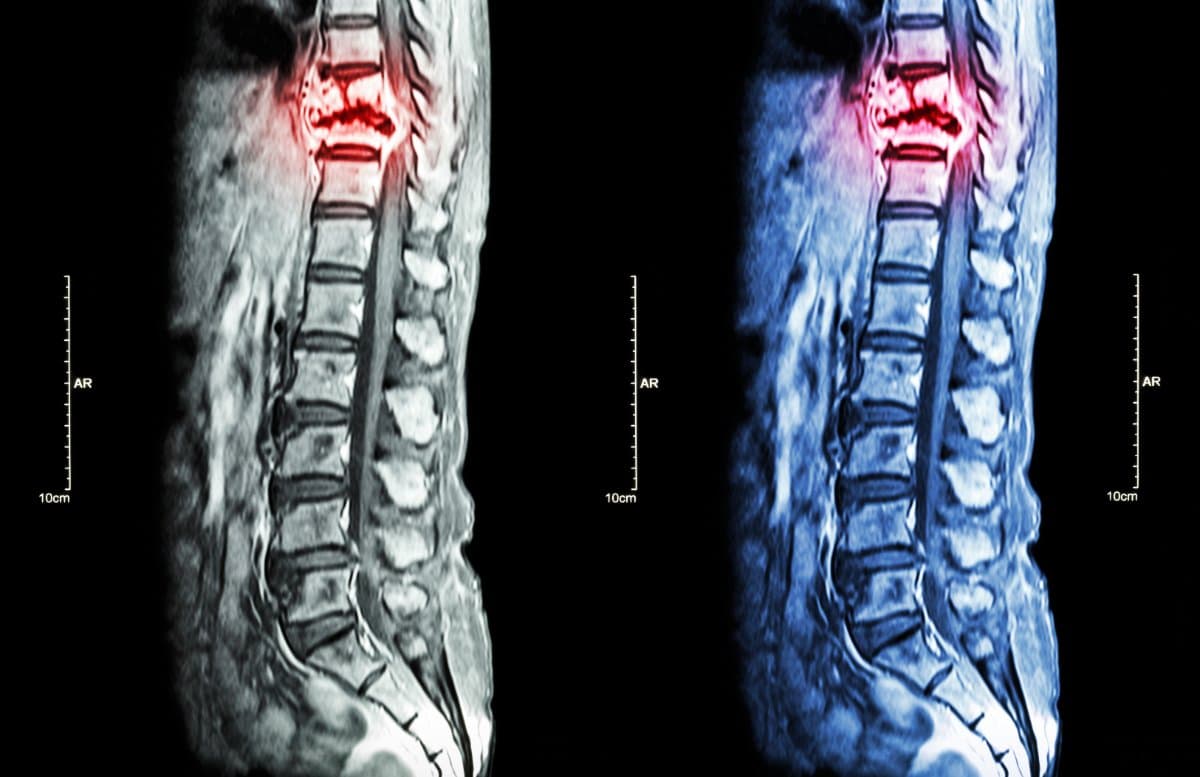
 A spinal cord injury can turn your life upside down in a moment. You might be enjoying a ride through Tennessee, and suddenly, you’re dealing with a medical condition that will affect you for years.
Motor vehicle crashes cause nearly 40% of new spinal cord injuries in the United States each year according to recent NSCISC data. If you survive such an injury, the next step is figuring out how to get the support and resources you’ll need for the future.
The financial impact of a spinal cord injury can be just as life-changing as physical effects, making it critical to understand the long-term costs involved.
Understanding spinal cord injury severity
The spinal cord sends messages between your brain and the rest of your body. If it’s damaged, you may lose movement, feeling, or organ function below where the injury happened. Doctors describe spinal cord injuries as either complete or incomplete.
Each type of injury affects your independence, medical needs, and long-term costs in different ways.
Complete injury
A complete spinal cord injury means you lose all movement and feeling below the injury. With an incomplete injury, you keep some function, but how much can be very different for each person.
Incomplete injury
Where the injury happens on your spine affects which parts of your body are involved. If the neck (cervical spine) is injured, it can cause quadriplegia, which means losing movement in all four limbs. Injuries lower down, in the thoracic or lumbar spine, may cause paraplegia, affecting your legs and lower body but not your arms.
Lifetime costs of spinal cord injuries
The costs of a spinal cord injury go well beyond the first hospital stay. The National Spinal Cord Injury Statistical Center estimates (2024 dollars; direct costs only) range from about $1.48M for a 50-year-old with motor function (AIS D) to about $6.26M for a 25-year-old with high tetraplegia (C1–C4 AIS ABC). These numbers only cover medical care and living expenses. They don’t include lost wages or reduced ability to work.
In the first year after a severe injury, medical costs can be more than $1 million. After that, yearly expenses can range from tens of thousands to hundreds of thousands of dollars, depending on the severity of the injury.
Recurring costs after the first year
Long-term expenses continue year after year and often increase as new medical needs and complications arise. Ongoing costs include:
- Physician visits and specialist consultations
- Prescription medications for pain, spasticity, and secondary conditions
- Physical therapy and rehabilitation services
- Durable medical equipment, including wheelchairs, hospital beds, and respiratory devices
- Home modifications such as ramps, widened doorways, and accessible bathrooms
- Vehicle adaptations for wheelchair accessibility
- In-home care assistance or long-term care facility placement
People with spinal cord injuries are also more likely to have other health problems, such as pressure sores, urinary tract infections, breathing issues, and ongoing pain. These kinds of problems require regular medical care and can lead to emergency hospital visits. Over time, these add to overall costs.
Types of compensation available in Tennessee
In Tennessee, if you’re hurt in a motorcycle accident, you can seek compensation from the responsible driver’s insurance or by filing a personal injury lawsuit. There are 2 main types of damages you can claim: economic and non-economic.
Economic damages
Economic damages compensate for quantifiable financial losses:
- Past and future medical expenses
- Lost wages from time away from work
- Loss of future earning capacity if you can’t return to your previous occupation
- Costs of home modifications and adaptive equipment
- Long-term care and personal assistance services
Non-economic damages
Non-economic damages address losses that can’t easily be measured in dollars:
- Pain and suffering
- Emotional distress, depression, and anxiety
- Loss of enjoyment of life
- Loss of consortium for spouses
- Disfigurement and permanent disability
In Tennessee, non-economic damages are generally capped at $750,000, but the cap increases to $1,000,000 for certain catastrophic injuries, including SCI causing paraplegia or quadriplegia. This limit doesn’t apply in certain circumstances, such as when a defendant:
- Intentionally caused serious physical injury;
- Was convicted of a related felony;
- Was under the influence, and that impairment caused the injury; or
- Intentionally falsified or destroyed records to avoid liability.
To know how these rules affect your case, you’ll need a careful legal review.
Punitive damages
Tennessee also recognizes punitive damages. In some cases involving egregious misconduct, punitive damages may also be available.
Why early settlements fall short
Insurance companies often contact people with spinal cord injuries soon after their motorcycle accident to offer settlements. These early offers usually don’t cover all of the full long-term costs of the injury. Right after a serious injury, families may feel overwhelmed by medical bills and pressured to accept any offer just to pay for urgent needs.
This approach helps the insurance company, not you. If you accept a settlement, you can’t ask for more money later if new problems come up or if the amount doesn’t cover your care. A skilled spinal cord injury lawyer will work with doctors, financial experts, and care planners to figure out the real cost of your injury before any settlement talks.
Planning for long-term care needs
Planning for long-term care starts earlier than you think. Planning begins at the start of your recovery. Depending on how serious your injury is, you might need help with daily tasks like bathing, dressing, eating, or moving between your wheelchair and bed. Some people can live on their own with some help, while others need full-time care for the rest of their lives.
One way to manage long-term care costs is through a structured settlement. Instead of getting all your money at once, you receive regular payments to cover your expenses over time. This helps make sure you don’t run out of money too soon and may offer tax benefits in some cases.
Another option is a special needs trust. This type of trust holds your settlement money so you can still qualify for government benefits like Medicaid, while also giving you extra funds for care that those programs don’t cover.
Tennessee’s statute of limitations
In Tennessee, you generally have only 1 year from the date of a motorcycle accident to file a lawsuit. This filing deadline can come quickly, especially when you’re focused on medical care.
Building a strong case takes time. Time is needed for investigation, gathering evidence, talking to experts, and preparing documents.
Protecting your future after a spinal cord injury
The choices you make after a motorcycle accident and spinal cord injury can shape your life for many years. Don’t deal with insurance companies by yourself, and don’t agree to a settlement until you know the real cost of your injury.
For a free consultation with a lawyer who understands serious injury cases in Tennessee, reach out to Banks & Jones.

T. Scott knows the importance of interacting with colleagues to stay abreast of developments and changes in the legal world. T. Scott frequently teaches CLE courses on trial strategy, teaching other lawyers his methods for success in the courtroom, and is certified as a Rule 31 Mediator in the Tennessee Supreme Court. He is a member of the Knoxville Bar Association, the Tennessee Bar Association, the National Trial Lawyers, and both the Tennessee and American Associations for Justice.
Read more about T.Scott Jones