
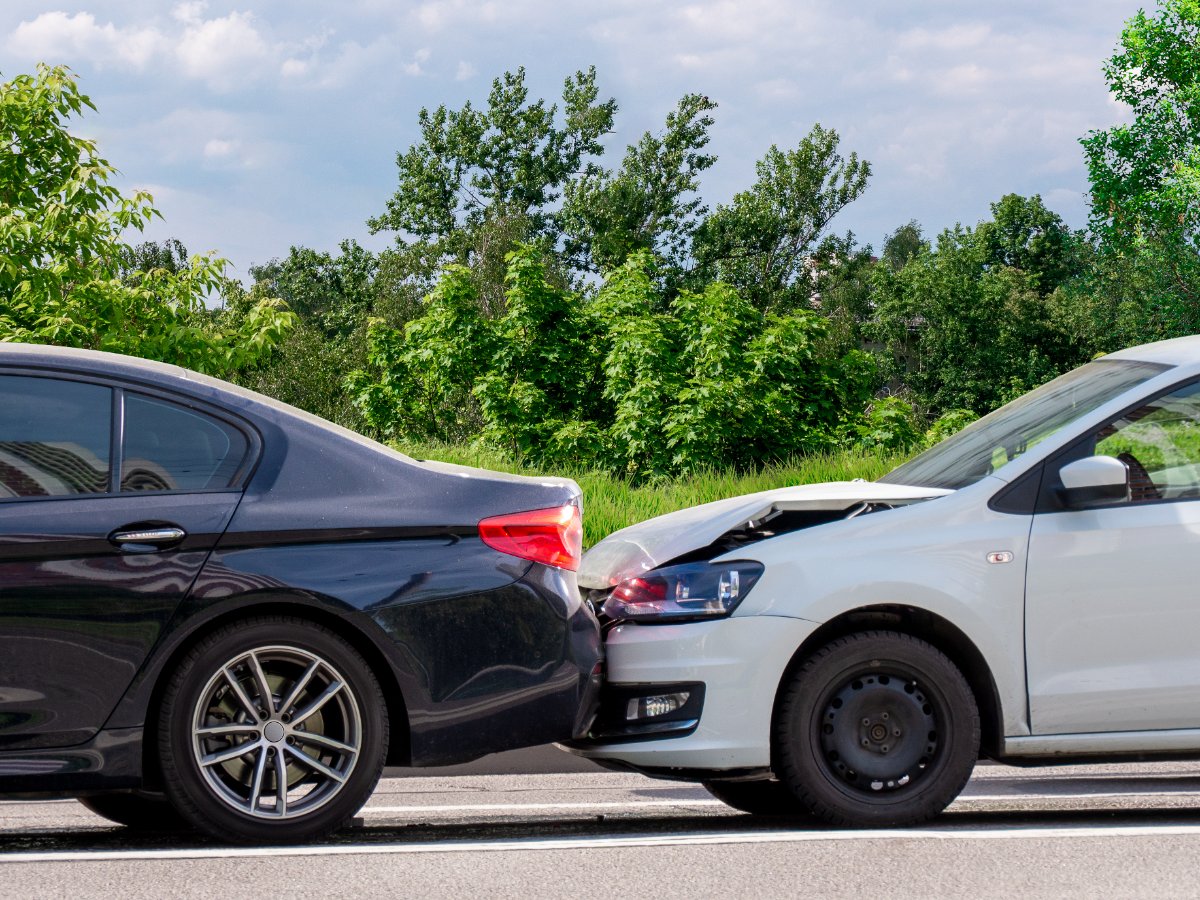
 Car accidents are one of the most common sources of injuries across all age groups. Whether you’ve been injured in a crash on Kingston Pike or a collision on I-40, the injuries you suffer play a large part in determining how much compensation you receive afterwards.
Learning more about the most common Knoxville car accident injuries and how they impact your claim can help you demand full and fair compensation from the liable party in your case. Call Banks & Jones to set up a consultation with a car accident lawyer right away.
Important considerations: why injury type matters for compensation
It’s impossible to ignore the role that injuries play in accident compensation. Injuries are not all treated equally by insurance adjusters, and those that lead to more long-term consequences, chronic pain, and permanent losses will be treated very differently than those that heal without medical intervention or leave you feeling back to normal in a matter of days. While a minor case of whiplash may result in minimal compensation, a traumatic brain injury that steals your ability to work or ambulate independently could be worth six or seven figures. Some of the factors that come into play include the severity of your injury, how much your medical treatment costs, how long you’ll need medical treatment, how long the injury will affect your life, and whether or not the injury causes permanent disability or disfigurement.
Regardless of how serious your injury is, being able to prove what you’ve suffered is an essential part of getting the compensation you rightfully deserve.
Common Knoxville car accident injuries
From whiplash and bruises to broken bones, here’s a little bit of what you may experience in a standard Knoxville car accident.
Whiplash and other neck and back injuries
Whiplash is notoriously common in car accidents. The neck is under a lot of force in everyday life, and the pressure in a car accident is much more than it was ever meant to sustain. A car crash causes the head to move forward quickly before it’s stopped by the neck, and at which point it slingshots back into position. This is very painful and can leave you with damaged soft tissue, headaches, and chronic pain.
You may also suffer other types of neck and back injuries in a car accident. Potential injuries include herniated discs, slipped or ruptured discs, chronic lower back pain, muscle spasms, and nerve compression.
Outcomes vary. Many people benefit from treatments like physical therapy and rest, while others require more extensive treatments like surgery.
Head injuries and concussions
Head and traumatic brain injuries are incredibly dangerous, largely because of their unpredictability. Two people could go through the exact same type of car accident, and one may walk away with a mild concussion and the other may suffer permanent mental losses due to their traumatic brain injury. The brain is known for its high plasticity, which means it can accommodate for deficiencies in certain areas by building stronger connections in other areas. However, you have to set it up for success by resting and getting necessary treatment.
Potential symptoms of traumatic brain injuries include dizziness, blurred vision, memory problems, mood swings, and difficulty dealing with light or noise. More serious symptoms include personality changes, amnesia, fading in and out of consciousness, and intense headaches.
In some cases, patients suffer permanent cognitive or physical impairments due to traumatic brain injuries. This is why it is essential to talk to a doctor as soon as possible after an accident. If you have suffered a TBI, they can help you get the rest and treatment you need to recover.
Broken bones and fractures
Broken bones are very painful and often leave victims with limited mobility for weeks or even months. Bones commonly affected include arms, legs, ribs, and collarbones. Affected victims may have to go through forced immobilization, surgery, time away from work, and physical therapy. Some broken bones—particularly certain ribs—cannot be repaired, which means your only option is to rest and give your body time to heal itself.
Soft tissue injuries
Damage to the muscles, ligaments, and tendons can all have a massive effect on your quality of life and ability to work. Common types of soft tissue injuries include sprains, strains, bruising, joint damage, and meniscus injuries. The tough part about these injuries is they are not always visible. They may only become apparent after several days, when a victim realizes that their pain is getting worse instead of better. Depending on the severity of the injury and how quickly treatment is sought, patients may be left with limited mobility, chronic pain, or long-term treatment needs.
Less common and more severe injuries
Some of the most severe types of car accident injuries are also relatively uncommon. They include:
• Severe spinal cord injuries
• Traumatic brain injuries with significant cognitive decline
• Severe burns
• Amputations and crush injuries
• Internal bleeding and organ damage
Settlement value
Settlements are generally calculated by your actual losses. This includes those losses that are easy to calculate, such as medical bills and lost wages. However, they also include losses without set financial value, such as pain and suffering, future earning potential, disfigurement, and disability.
A big part of getting the full value of your settlement is proving how your injuries have impacted your life. Working with a car accident attorney can help you document your injuries and the numerous ways they have affected you.
Where does compensation come from after a Knoxville car accident?
Of course, even if you can bring a successful lawsuit, the money you recover must come from somewhere. There are a few sources for recovery that victims of Knoxville car crashes may be able to recover from, including:
- The at-fault driver’s liability insurance: This is often the primary source of compensation. However, there is always a chance that the driver is uninsured.
- Your insurance policy: Tennessee insurers are required to offer uninsured motorist coverage. Drivers may reject the coverage in writing, but if it is not rejected, the policy typically includes UM protection. Similarly, if the other driver is insured, but doesn’t have enough coverage, you may be able to recover through an underinsured driver policy.
- Driver’s employers: If the at-fault driver was acting within the scope of their employment at the time of the crash, their employer may also be liable.
- Personal assets of the at-fault driver: Rarely, you might be able to recover from the driver’s personal assets. This isn’t common, however, because most drivers who don’t have insurance also don’t have significant assets.
Start your personal injury claim with Banks & Jones
If you’re ready to start your personal injury claim with our team, let’s talk more about your options and how to move forward. Just give us a call or send us a message online right away.

T. Scott knows the importance of interacting with colleagues to stay abreast of developments and changes in the legal world. T. Scott frequently teaches CLE courses on trial strategy, teaching other lawyers his methods for success in the courtroom, and is certified as a Rule 31 Mediator in the Tennessee Supreme Court. He is a member of the Knoxville Bar Association, the Tennessee Bar Association, the National Trial Lawyers, and both the Tennessee and American Associations for Justice.
Read more about T.Scott Jones