
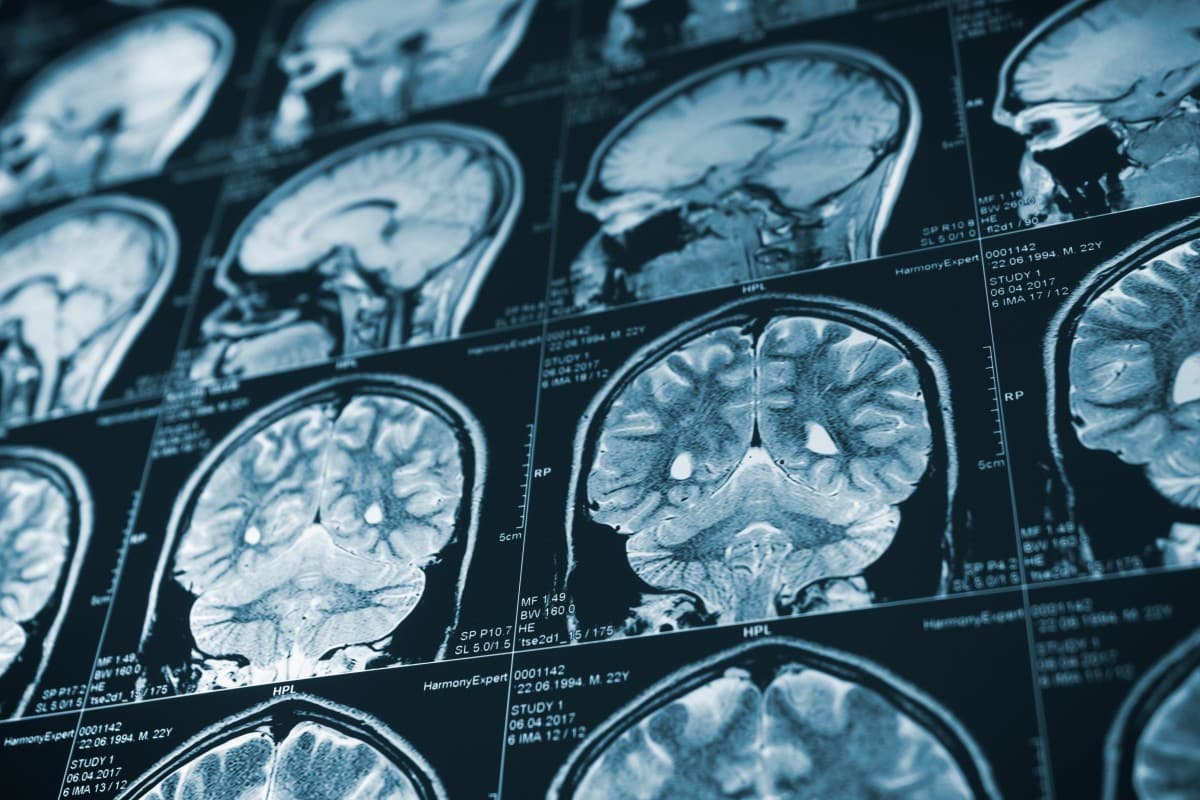
 You can walk away from a car crash with maybe a few scratches and nothing feeling broken. Maybe you can exchange insurance information, file a police report, and even drive home. But a few days later, you can’t remember your child’s birthday. Weeks later, the persistent, throbbing headaches begin.
By the time you see a doctor, the damage has already complicated your recovery, and your legal options too. This scenario happens to Tennessee car accident victims far more often than many people realize.
Traumatic brain injuries don’t always announce themselves at the scene of a collision. The symptoms creep in slowly, often dismissed as stress or fatigue, until they become impossible to ignore.
What is a traumatic brain injury?
A traumatic brain injury (TBI) occurs when sudden force disrupts normal brain function. In a car accident, your brain slams against the inside of your skull during impact, even if your head never strikes the steering wheel, window, or dashboard. The violent deceleration alone can cause bruising, bleeding, and nerve damage inside your skull.
The Centers for Disease Control and Prevention reports almost 70,000 TBI-related deaths annually in the United States, with motor vehicle crashes ranking among the leading causes.
What many victims fail to understand is that the primary injury at the moment of impact is only part of the problem. Secondary injuries develop in the hours and days following the collision as the brain swells and pushes against the skull, potentially cutting off oxygen-rich blood flow.
Why symptoms appear days or weeks later?
After a TBI, intricate neurometabolic changes occur in your brain as it tries to protect itself. This response can mask the very symptoms that would indicate serious injury.
Brain Injury Association of America cites research indicating TBIs may be missed in the ER at high rates (figures reported as high as 56%, and in some studies higher).
Your brain is also dealing with adrenaline and shock. These natural responses keep you functioning immediately after a collision but prevent you from recognizing that something is wrong. By the time the adrenaline fades, days may have passed.
Symptoms Tennessee victims commonly ignore
The following warning signs often get attributed to stress, poor sleep, or the general chaos of dealing with a car accident:
- Persistent headaches that begin or worsen several days after the crash
- Memory problems, including difficulty remembering recent conversations or forgetting appointments
- Confusion or disorientation about time, place, or familiar tasks
- Sleep disturbances, whether sleeping far more than usual or struggling to fall asleep at all
- Mood changes like sudden irritability, anxiety, or depression that feel out of character
- Vision problems, including blurry vision, sensitivity to light, or seeing double
- Difficulty concentrating or feeling mentally foggy
- Nausea or dizziness that persists beyond the first day
The National Institute of Neurological Disorders and Stroke notes that emotional symptoms like frustration and irritability often develop during recovery rather than immediately after injury. This delayed onset leads many victims to assume their emotional state has nothing to do with the accident.
Why delayed symptoms complicate your legal claim
Tennessee Code § 28-3-104 generally imposes a 1-year statute of limitations for personal injury claims. When symptoms appear weeks or months after your accident, insurance companies are likely to argue that your injury came from somewhere else. The gap between your collision and your diagnosis becomes a weapon against your claim.
Documentation matters immediately. Even if you feel fine after a crash, seek prompt medical evaluation and tell the provider you were in a car accident. Let the doctor know that you were in a car accident. Describe exactly what happened during impact. This creates the paper trail that connects your eventual diagnosis back to the collision.
Types of brain injuries caused by Tennessee car accidents
Not all TBIs look the same. Understanding the specific type of brain injury you sustained can help you recognize the seriousness of your condition and the long-term care you may require.
Concussion
A concussion represents the mildest form, though the word “mild” misleads many victims into ignoring serious consequences. Even mild TBI can cause symptoms lasting weeks or months and may increase your risk for long-term cognitive problems.
Contusion
Contusions involve bruising of brain tissue, often occurring when the brain impacts the inside of the skull and then rebounds to strike the opposite side. This pattern frequently happens in high-speed crashes where sudden deceleration throws the brain back and forth.
Diffuse axonal injuries
Diffuse axonal injuries occur when the brain’s nerve fibers stretch beyond their limits. This extension happens during violent rotation or shaking. Diffuse axonal injuries disrupt communication between different parts of the brain and can result in coma or permanent disability.
Hematomas
Hematomas involve blood pooling inside the skull, sometimes developing hours or days after the initial injury. This delayed bleeding puts pressure on the brain. Without surgical intervention, hematomas can become life-threatening.
What to do if you suspect a brain injury
Immediate action can save both your health and your legal case. As soon as possible:
Seek medical attention now
Don’t wait for symptoms to worsen. Emergency rooms can perform CT scans and other imaging to detect bleeding or swelling.
Document your symptoms
Keep a daily journal noting headaches, memory issues, sleep problems, and mood changes. Your notes should be detailed, including dates and times.
Follow medical advice
Attend every doctor’s appointment and complete every prescribed treatment. Gaps in your medical records can create problems for your claim.
Avoid certain activities
Stay away from activities that could worsen your injury. A second concussion before the first one heals can cause permanent damage.
Seek legal advice
Contact a Tennessee car accident attorney. Brain injury cases require experienced legal representation as these cases involve complex evidence and negotiations with insurers.
Calculating what your brain injury claim is worth in Tennessee
TBI compensation must account for far more than current medical bills. You may need ongoing cognitive therapy, neurological monitoring, and accommodations at work. Some victims never fully return to their previous capacity.
The settlement you accept today must cover the challenges you will face for years or decades ahead.
If you or someone you love suffered a brain injury in a Tennessee car accident, don’t wait for symptoms to resolve on their own. Reach out to Banks & Jones today for a free consultation. Our attorneys understand how insurance companies fight brain injury claims, and we understand how to build cases that demonstrate the true impact of your injury.

T. Scott knows the importance of interacting with colleagues to stay abreast of developments and changes in the legal world. T. Scott frequently teaches CLE courses on trial strategy, teaching other lawyers his methods for success in the courtroom, and is certified as a Rule 31 Mediator in the Tennessee Supreme Court. He is a member of the Knoxville Bar Association, the Tennessee Bar Association, the National Trial Lawyers, and both the Tennessee and American Associations for Justice.
Read more about T.Scott Jones