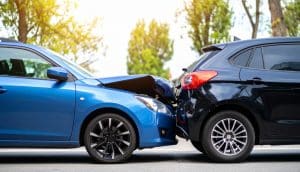
 Rear-end collisions are among the most common types of accidents, not just in Tennessee but in the entire country. From crashes on I-40 to collisions on the busy streets of Nashville and Knoxville, this type of accident happens every single day. There’s a widespread assumption that the rear driver is always at fault, and while that’s often true, it isn’t always that easy.
If you’ve been involved in a Tennessee car accident, you need an attorney to advocate for you. That’s where we come in. Call Banks & Jones to schedule a consultation now.
The basics of rear-end collisions in Tennessee
Rear-end accidents are usually the result of one vehicle following the other too closely. When the car in front stops or slows down, the rear driver fails to stop in time and causes a crash. Although these accidents can happen at any time, they are especially common in heavy traffic or bad weather. Common causes of rear-end accidents include:
- Distracted driving, particularly when drivers are using their phones
- Tailgating or following too closely
- Driving too fast for traffic or weather conditions
- Fatigue and impairment that cause delayed reaction times
- Sudden slowdowns in traffic
While rear-end accidents can cause minor injuries, they are also capable of causing serious and lasting harm. Whiplash, herniated discs, spinal injuries, and concussions can all follow this type of accident. Even accidents at low speeds can cause significant injuries and property damage.
What the law says in Tennessee
There are several Tennessee laws that are relevant in rear-end crashes. First, following more closely than is reasonable and prudent is against the law. What’s considered “too closely” is based on the speed of vehicles around you, traffic, and weather. The law also requires drivers to exercise due care and drive attentively.
Another law that may come into play in Tennessee rear-end accidents is modified comparative negligence. Each state handles it a little differently when multiple parties are at fault for an accident. In Tennessee, if someone seeking compensation is 49% or less at fault for a crash, they can still recover compensation. That’s no longer the case when they are 50% or more at fault. In rear-end crashes where liability is split, modified comparative negligence may affect how much compensation you’re able to receive.
When is the rear driver at fault?
There is generally a presumption of fault when a rear-end accident occurs. The rear driver bears most of the responsibility, as they are expected to maintain enough distance that they can come to a complete stop before hitting the driver in front of them. This is true even when there’s inclement weather that may make it difficult to slow down or stop. In these situations, drivers are legally required to leave even more distance between themselves and other drivers to prevent collisions.
Rear drivers are at fault in most rear-end accidents, including those caused by:
- Tailgating: Following too closely is an incredibly unsafe driving habit, and unfortunately, it’s also fairly common. Drivers who follow too closely do not leave themselves enough space to stop safely.
- Driving while distracted: A driver who is looking down at their phone instead of the road is obviously at fault when they strike the driver in front of them.
- Speeding: A driver who is moving too quickly to react to changes in traffic can be held liable for any accidents they cause. This doesn’t even necessarily mean driving above the speed limit—in bad weather, drivers are expected to drive slowly enough to stop in time to avoid obstacles.
- Mechanical negligence: Failing to maintain brakes or tires can lead to preventable collisions.
When the front driver may share fault
While the rear driver is often presumed to be liable for a rear-end accident, there are situations where the front driver shares liability. These situations include:
- Sudden lane changes: When a driver swerves in front of another car and brakes, they may be partially to blame if the car hits them. Drivers are only supposed to change lanes if they can do so without forcing other drivers to take evasive action.
- Broken brake lights: Drivers are expected to keep their vehicles in working order. If they fail to maintain working brake lights, they make it hard for other drivers to know when they are slowing down.
- Unexpected stops: This refers to drivers who stop when there is no obvious need to—for example, coming to an abrupt stop when there’s no traffic in front of them.
- Reversing: Drivers who reverse in traffic or at an intersection may be at fault for rear-end accidents. This often occurs when a driver is trying to change lanes at an intersection or get a parking spot.
- Chain reaction accidents: When more than two vehicles are involved in an accident, liability is generally split up between the parties involved, depending on how the collisions unfolded.
In these types of cases, liability is generally shared. It’s rare for the front driver to be exclusively liable for a rear-end accident; even if they are negligent and drive in an unsafe manner, other drivers are expected to leave enough distance to avoid accidents. It’s important to have a car accident attorney in these scenarios, because the division of liability may determine how much compensation you receive—or if you receive any at all.
Schedule your consultation with Banks & Jones
If you’ve been injured in a rear-end crash in Tennessee, let’s talk more about your next steps. Schedule a consultation by connecting with us online or calling us today.
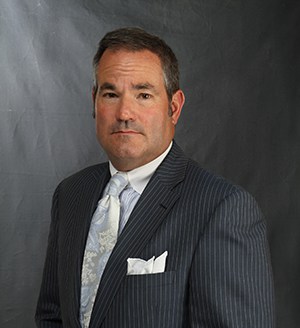
T. Scott knows the importance of interacting with colleagues to stay abreast of developments and changes in the legal world. T. Scott frequently teaches CLE courses on trial strategy, teaching other lawyers his methods for success in the courtroom, and is certified as a Rule 31 Mediator in the Tennessee Supreme Court. He is a member of the Knoxville Bar Association, the Tennessee Bar Association, the National Trial Lawyers, and both the Tennessee and American Associations for Justice.
Read more about T.Scott Jones